

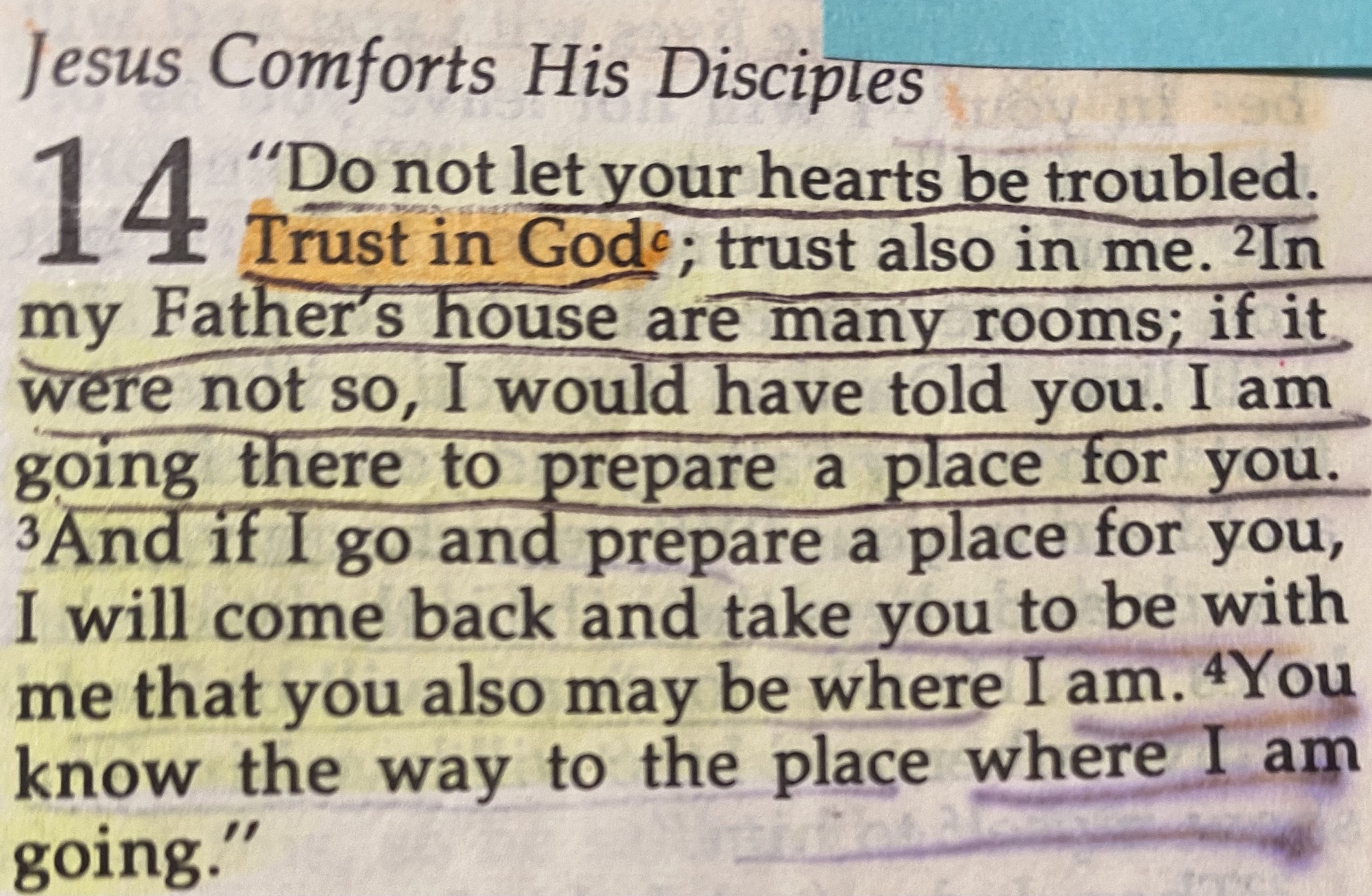
When I was in the sixth grade I was part of Awana, which I did not enjoy. We were brand new Christians and very involved in church, so that meant going to Awana. Picture me rolling my eyes. I know, sounds like an ungrateful child. I really wasn’t, but I did not enjoy the competition aspect of Awana, and I did not enjoy the Bible verse memorization. We had to memorize large passages of scripture, which I did. None of it stuck though. I could not tell you today a single verse I memorized all those years ago. There are probably super star Awana’s kids out there who memorize and retain it, that wasn’t me.
I understand the value and importance of memorizing scripture, but I am not a big scripture memory person. I love to read the Bible, meditate on it, and study it, but I have not made memorizing scripture a priority. I can recall verses, but I cannot always tell exact chapter and verse. There are some scriptures I have memorized just from reading them so many times. I write verses down on cards and place them where I can see them. Sometimes, I keep my Bible open to a particular passage so I can meditate on that during the day, but I still do not purposely memorize Bible verses.
As an American I have access to a Bible app on my phone at any time. I can look up any verse I want on a computer or phone. I can read my Bible and bring it with me anywhere I go. Because of this unlimited access I don’t even consider that I should start putting the Bible in my memory. Maybe I should though.
Heroic Christians living in Iran have made me reconsider the importance of memorizing scripture. The following story is from Voice of the Martyrs.
A prayer meeting in Shiraz, Iran at the home of Pastor Houmayoun was interrupted by the secret police. The pastor, his wife, their seventeen-year-old son, and four others were arrested. They were blindfolded and taken to an intelligence prison where they were interrogated for days. After being moved to a public prison they were told not to share why they were there.
In spite of being warned repeatedly not to talk about Jesus, they shared the gospel with their fellow Muslim inmates. They quickly realized they needed Bibles. So they wrote memorized Bible verses on any paper they could get their hands on. This was an encouragement to each other and a great way to share the gospel.
Once the pastor and the other believers were allowed to call family members they asked for chapters from the Bible written in English. The prison guards and an imam (person who leads prayers in a mosque) could not read English and passed these letters on to the pastor without knowing it was complete copies of books of the Bible.
The Christians who knew English translated the scriptures into Farsi so the inmates could read them. Because of his evangelism, and the positive response of the prisoners, the pastor eventually got sent to a part of the prison called “Hell”. Pastor Houmayoun continued sharing the gospel with the death row inmates, with several placing their faith in Christ before being executed.
Pastor Houmayoun was released after three years with the seeds of the gospel being planted in that prison. What an amazing story of the power of God. He cannot be stopped. His gospel will go forth regardless of the tactics of the enemy.
How awesome that the pastor, his family, and church leaders wrote down memorized scriptures to help encourage them and share the truth of the gospel with the Muslim inmates. They had no Bibles or apps to rely on. Those verses came from memory.
This powerful testimony got me thinking. How important is scripture memorization? And why am I not making it a priority? There are many believers who memorize scripture and entire books of the Bible. I have not made that a goal, yet.
Do you memorize Bible verses? If so, do you have any advice or tips?
I have hidden Your word in my heart that I might not sin against You. Psalm 119:11, BSB
Love you all,
Meghan
Photo credit: Meghan E. White
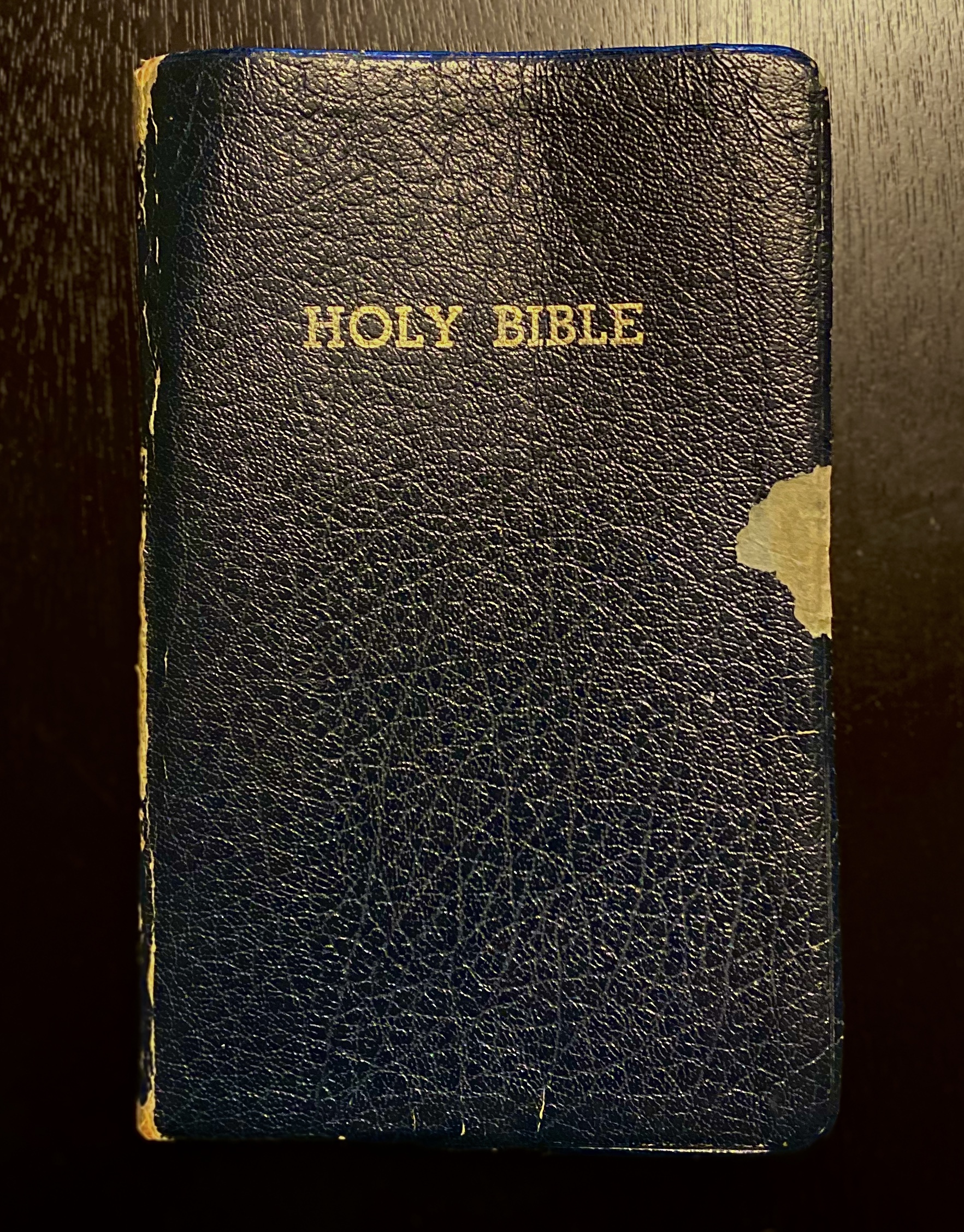 Followers of Jesus need to be in the Bible every day. We are told regularly to read The Bible. What should we read? How do we read the Bible? Where to begin can be overwhelming. If you’ve been a Christian for a long time, you may wonder what to read next. Maybe you want to study in a different way.
 Meghan E White